
Silma Hill, chapter 2

I don’t really write romance, but since it’s Valentine’s Day and I’m at a conference, here’s something in the right ballpark.
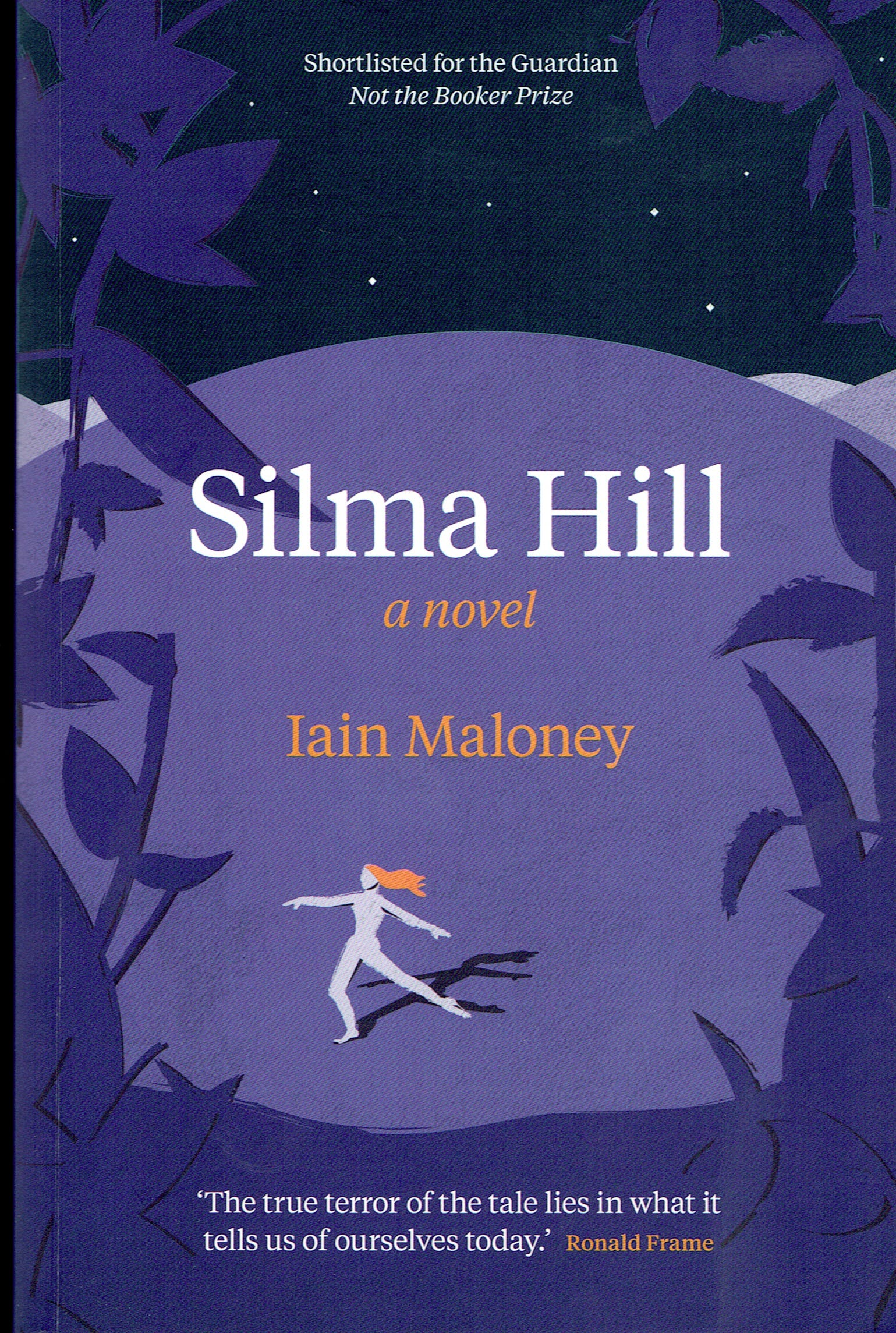
After the click of his study door, Fiona counted to one hundred before vacating the pantry. He’d tracked muddy footprints through the house, a trail like some bog creature had stalked by. With bucket and brush she set to scrubbing the boards for the second time that day.
So, Old Man Sangster had found something. Well, perhaps it would keep her father deskbound until Sunday, with that stout door firmly closed. If she were truly blessed, it would be so weighty a find as to take him to Edinburgh visiting those stuffed shirts whose arses he kissed. A week without muddy footprints, three square meals, without hiding in the pantry. The brush flew over the wood, the dirt mixing with the water, seeping into the rags she used to dry and polish. A week of rising when she liked, of eating what she liked. Eilidh and Mary could come over for tea, sit out in the garden chattering and laughing like normal girls. She could see Murdoch without fear of discovery. As she cleaned she prayed that old Sangster had found something that would change everything, even for a day or two.
The floor clean again, she returned to the kitchen and finished packing the picnic. A practised look across the room then she got her mirror out. The bonnet she wore while cleaning could be discarded and she brushed some life back into her blonde hair. If only she could do something about the skin on her hands, but short of gloves nothing could hide the ruin done by her duties. What chance her father buying her anything as lavish as a pair of gloves? Her birthday had flown by barely acknowledged but for a copy of John Knox’s The First Blast of the Trumpet Against the Monstrous Regiment of Women, and prayers by the graveside.
Birthdays for Fiona were days of mourning, when her and Burnett were united in grief. Her mother had died in childbirth. Fiona’s entry into God’s ledger had been her mother’s exit, their lives crossing for a few precious seconds. Before Fiona had caught her breath, before the natal cry had burst from her chest, her mother’s soul was escaping her weak flesh and returning to the Lord. Her eyes had never looked on her mother’s face. Her parents had been married but a short term. Moira had left little mark on the world besides Fiona’s existence. Her clothes long gone, Burnett returned them to her family then broke contact after the funeral. He could bear no reminder of his loss. Fiona, already denied a mother, was then denied her remembrance, save prayers and flowers at her grave. But nature will conspire to fill emptiness, and so during lonely childhood nights she invented an image based partly on her own features and partly on pictures of the Virgin mother. She spoke to this invisible parent, directing her prayers to her in Heaven, asking her advice, her help. As she grew older these conversations became less frequent, but in times of great strain, in the cold hours of a sleepless night, she sometimes invoked this fictional mother to speak words of comfort, to offer advice, to say everything would be all right, in the end. She felt her mother was there, always, watching over her. Mrs Galbraith, the former housekeeper, had told her stories of Moira’s kindness, her popularity in the village, her beauty. When Fiona turned seven, Mrs Galbraith was let go. Three years later she too died. Since then it had been Fiona and her father alone, together.
Tying her shawl around the lunch, she placed it into her shopping basket and slipped quietly out of the kitchen door. Every day at about this time she ran errands in the village, so her absence from the manse would be expected. Not that he would notice, not now he had some new hobby-horse to fixate on.
She wasn’t going into the village.
Fiona had a rendezvous. Old Man Sangster’s grandson, Murdoch, was minding the beasts on the hill.
At the end of the garden she passed through the gap in the laurel hedge and into the field. It was about the right time of year for morel mushrooms and that was her excuse should he happen to demand an explanation later. She kept an eye out for some just in case.
Silma Hill was one of the highest points in the area. Abdale sat on the northern bank of a sea loch, a wrinkle in an ancient coastline, far enough inland that crops grown in the fertile soil were spared the salt of the sea. In days long gone the loch had been a shelter for boats during storms, and a base for Viking raids, the river connecting it with the ocean being deep and wide enough for safe passage. These days few vessels broached the dark waters save local fishermen and the cable ferry Old McBain piloted whenever a villager had business to the south. Once a busy town on the road north, a new military road now skirted the far side of the loch through Glentrow. There were no rebellions against the crown here, no Jacobites this far south. Glentrow got the benefit of troop movements and Abdale lay forgotten, abandoned in a kink of the Atlantic coast.
Fiona arrived first. Murdoch would meander casually up the far side of the field. The climb made her hot and she took a moment to wipe her face, calm her breath, arranging herself precisely so when Murdoch arrived she’d be a portrait come to life.
The summit of the hill had, in hazy history, been a site for some kind of ritual. A circle of sparkling granite stones once stood proud, now all but three of them lay fallen, some broken, one or two almost swallowed by the hill, surrounded by a copse of trees. In the shade, Fiona used one prone monolith as a table, and spread out the lunch things, the bread, eggs, cheese, leftovers from last night’s dinner cunningly presented to look freshly prepared. She could hear him approach, cursing as he stumbled over some root or rabbit hole.
Murdoch was tall and thin, he used a stripped branch as an unneeded walking stick in one hand, a rag for wiping the sweat in the other. He looked like he might snap in a cruel wind but underneath his permanently dishevelled farm clothes he was wiry and strong.
‘Morning lass,’ he said.
‘It’s hardly morning anymore.’
He sat on the rock table, laid his stick against the edge. It rolled, landing in the brush with a soft pat, its burnished white flesh bright against the grass and scrub.
‘The day hasn’t started properly until I’ve seen you.’
‘Away with you,’ she laughed. ‘Are you hungry?’
He ate fast, ravenous. All morning he’d been repairing the stone dyke, moving rocks, balancing, supporting. It was hard going, bent over, lifting, testing, over and again. At least it wasn’t digging. At the foot of Silma Hill, on the far side from the manse, was their peat bog and his grandfather was digging and cutting peat bricks to sell as fuel. Murdoch hated the peat, the smell, the squelch.
‘Slow down, will you? You look like you haven’t eaten in a fortnight.’
He slackened his pace for a moment then resumed his normal speed. She nibbled at a piece of cheese, not particularly hungry.
‘I saw the old man over your way,’ Murdoch said through a mouthful of bread. ‘Anything interesting?’
‘He found something in the bog.’
‘And handed it over to your old man?’
‘Aye.’
Murdoch shook his head. His father was forever on at his grandfather to stop handing over his finds to Burnett. They were probably worth something, maybe more than something. Giving them over was madness. Bits of broken pottery were all right but that claymore had been several steps too far. There’d be another fight at home that night.
Fiona couldn’t bring herself to care one way or the other. ‘Well, if it keeps him busy,’ she said, ‘then I’ve got more time to spend with you.’
‘That’s true,’ he said, swallowing. It looked like he was done, so Fiona wrapped what remained and returned it to her basket. He lifted his arm and she rested in against his shoulder.
Between swaying branches she looked out over Abdale, smoke rising from chimneys, folk chatting by the cross, the kirk steeple, the peak of Ben Morvyn, fields of new growth. ‘Are you minding the beasts again tomorrow?’ They had a number of assignation sites, but this was by far the easiest, being so close to the manse yet secluded.
‘I think so,’ he said. ‘Or I’ll be digging peat.’ She hoped not. Digging meant he’d be able to make it up the hill for lunch, but he’d be covered in dirt and stink. Murdoch lay back on the rock, hands behind his head, hat down over his eyes. He’s going to sleep? She couldn’t be too angry. He looked peaceful lying there, her man. She wanted nothing more than to marry him, to bring him lunch every day and lie down next to him at night. Her father would never allow it. Not a farmer’s son, and certainly not a Sangster. She wasn’t sure he’d allow her to get married at all. He’d keep her as his slave until she was a spinster and Murdoch had married one of the other girls. If he did let her marry, there was little hope he’d let her choose.
She heard a shout, and looked down towards the manse, hidden by the green canopy. Nobody. The shout came again. She ran to the other side, peered through the branches down to the peat bog. At the far end she could see two figures, one lying down, the other bent over the first. She called Murdoch.
‘It’s my Da,’ he said. ‘And my Granda.’
‘What are they doing?’
‘Doesn’t look good. I’d better go down.’
‘I’ll return home.’
‘Right, love. Thanks for the food.’ He pushed through the branches and ran down the hill. She watched for a moment, wondering what had happened and then, pausing only to grab her basket, rushed back to the manse.
So good to see this. Love this book!