
January Reads

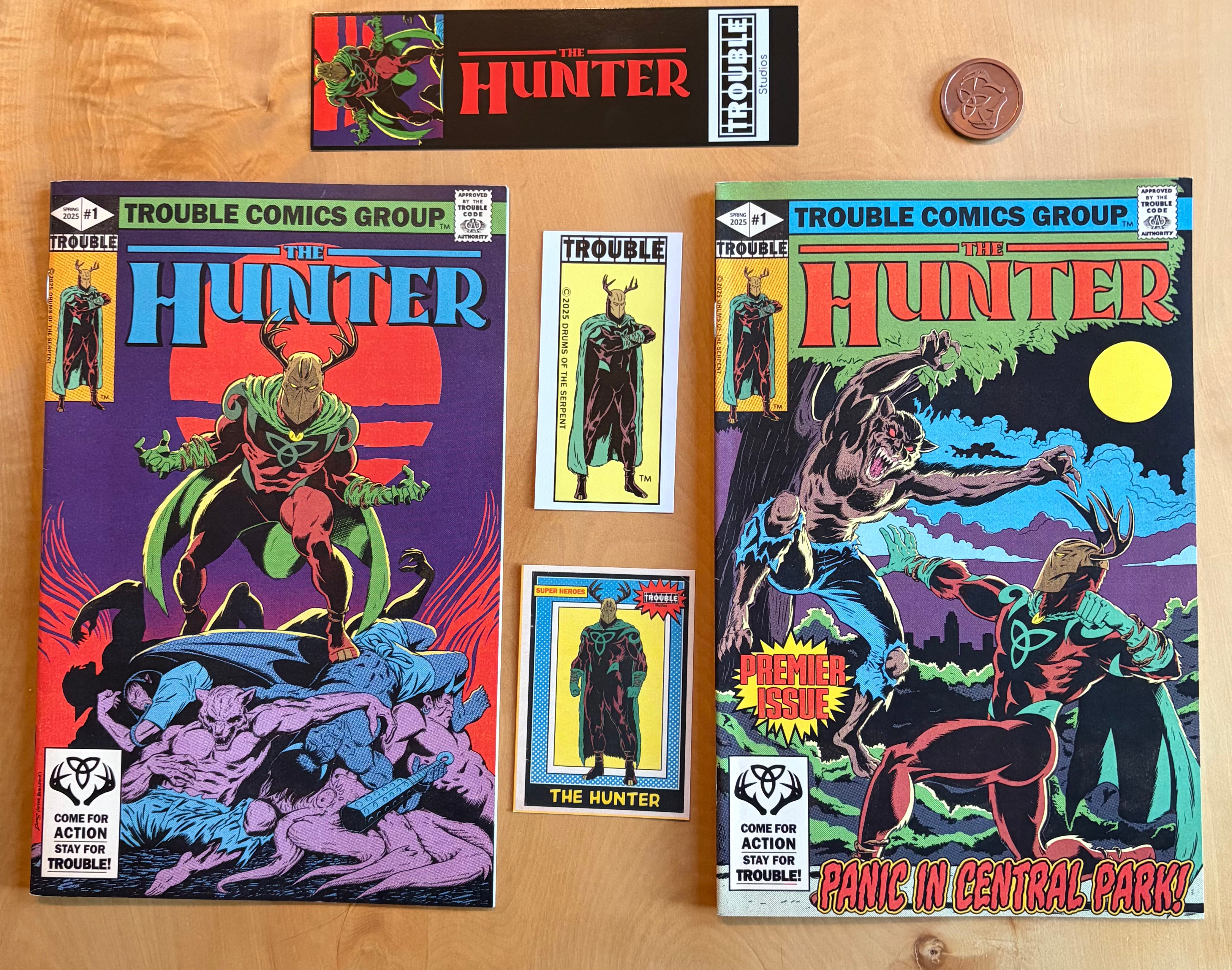
I’ve never been much of a reader of comics, manga, or graphic novels and in fact, The Hunter is the first comic book I have ever bought. I did so through crowdfunding because it was created by my friend Dakota Alexander, the author and artist of The Hunter. I believe in supporting my friends on their artistic endeavours whether it’s exactly my sort of thing or not (I always assumed this was the norm but apparently not, which still kind of shocks me). I have absolutely no vocabulary or frame of reference to describe the story or artwork in any depth. I know from what Dakota has said that it is modeled on classic comic books, down to the exact paper it was printed on, but that was kind of lost on me. I did enjoy reading it very much though, and found myself disappointed when the story ended without conclusion (being issue one, of course). I’m already looking forward to issue two. If comics (or helping out artists) is your thing, check out The Hunter.
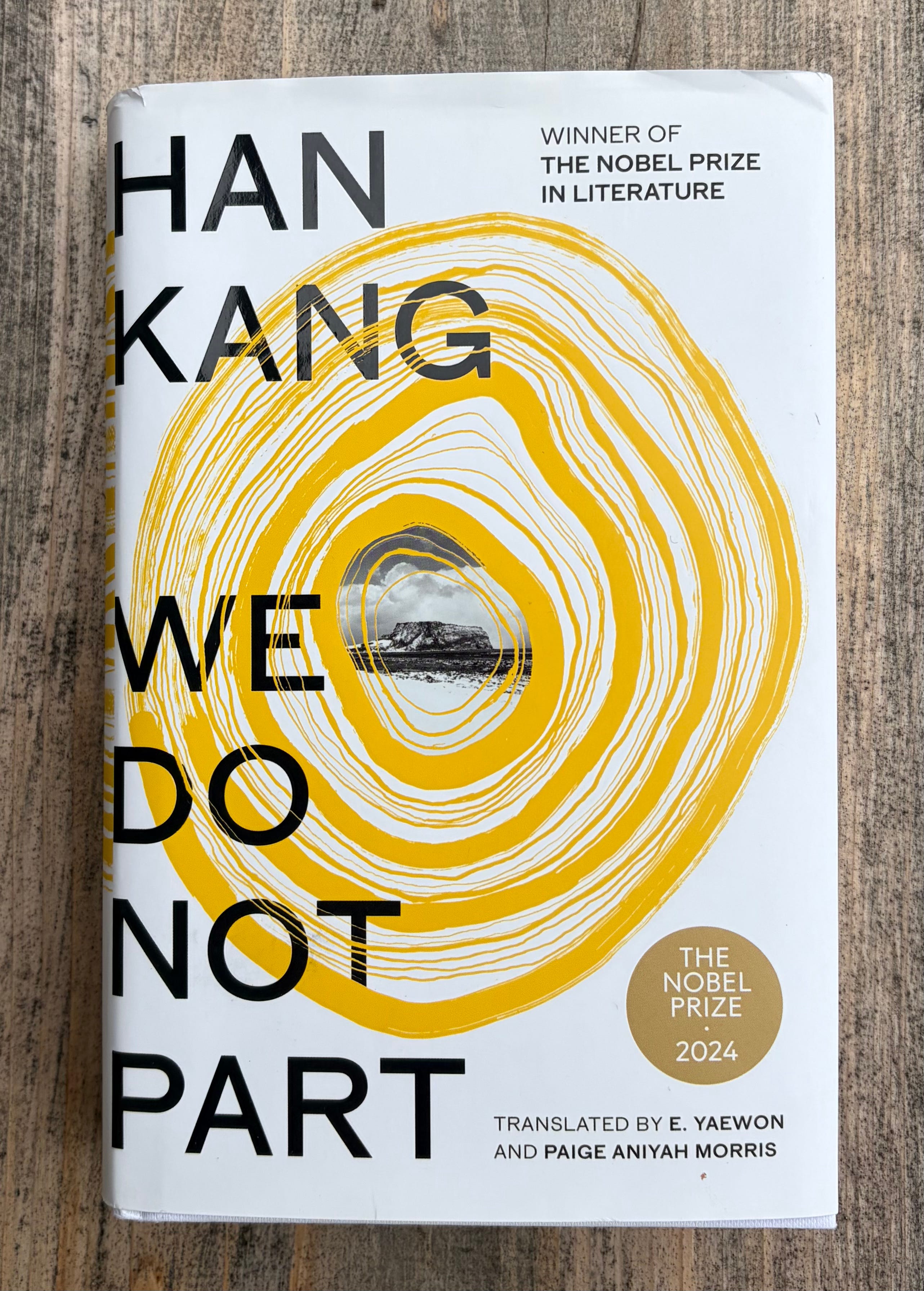
I’m a big fan of Han Kang and saved her latest translation, We Do Not Part, until I went to South Korea earlier this month. If you know Kang’s work then you know what you’re getting here: it explores the 1950 Jeju massacre from a painfully close family perspective through the filter of some inexplicable ghostly connections. The prose in translation is stunning (I can’t imagine how good it is in the original Korean) and she’s one of those authors whose unique take on the novel form is constantly inspiring. A timely book given the world we find ourselves in.
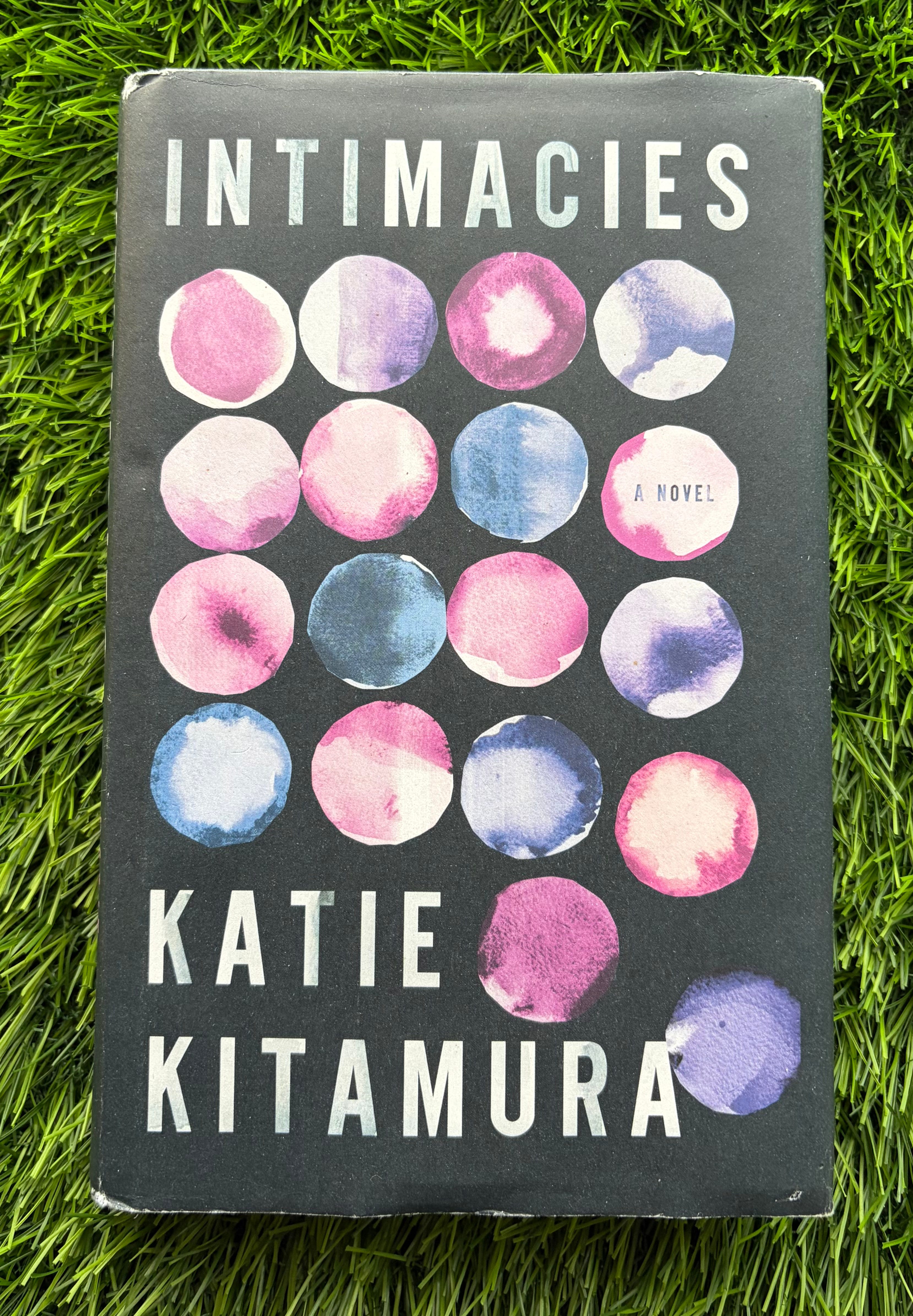
I have been incredibly slow about getting round to reading Katie Kitamura. I’m not really sure why beyond being so sure I’d love her writing that I never felt any great urgency to actually read her. Well, I fixed that error and I am happy to report that my assumptions were right: my god, she’s good. One of those writers that can make existential drama out of what, on paper, seems like very little plot. This book weirdly reminded me of Milan Kundera in the depth and clarity with which she sees and understands what it means to be human. Beautiful stuff.
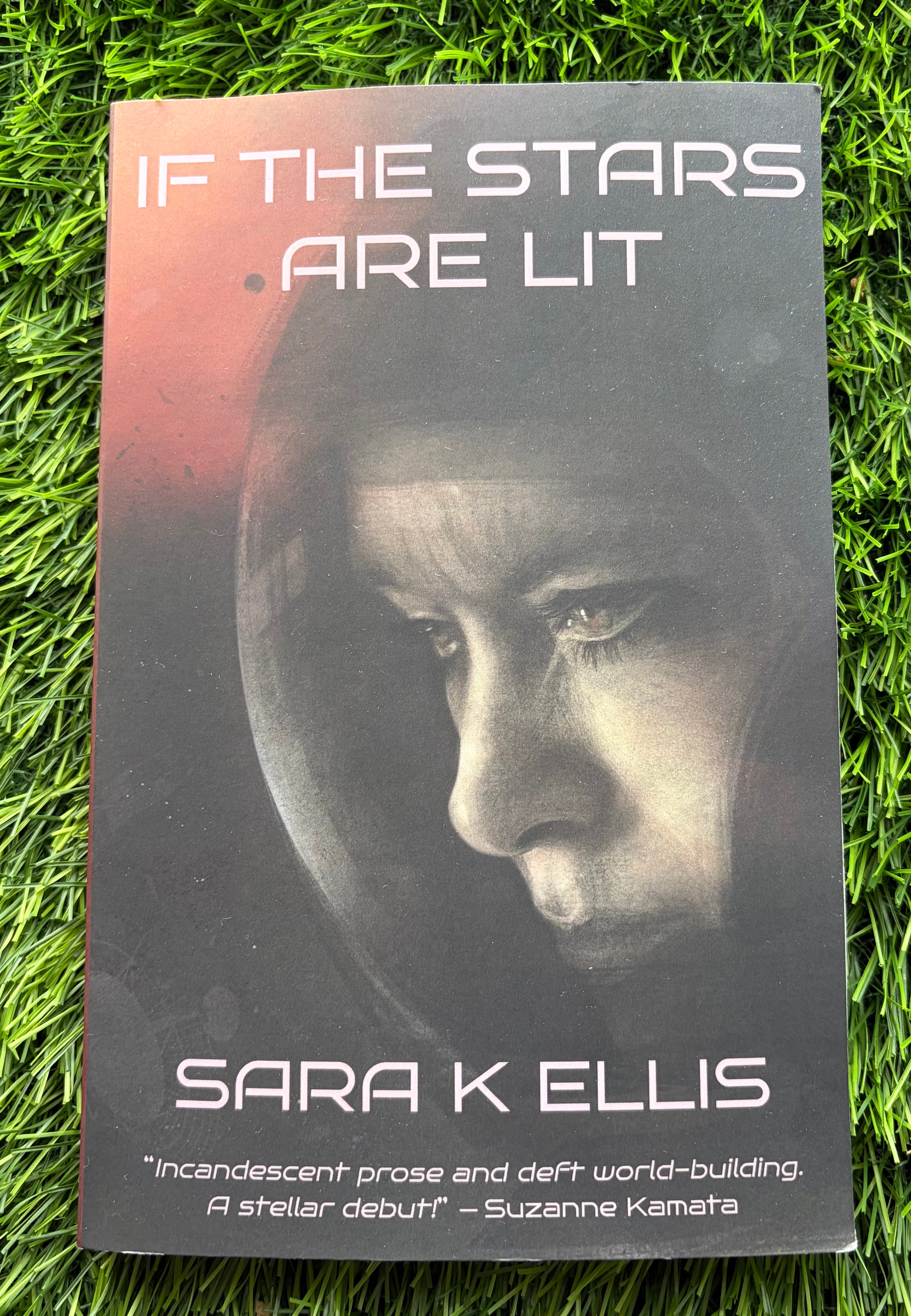
I think I first became aware of Sara K Ellis through Shoreline of Infinity, but it might have been the Japan Writer’s Conference. If the Stars are Lit is a brilliant SF novel exploring human consciousness and artificial intelligence (in a kind of cloning form, not dumb chatbot programmes). I haven’t read anything set in deep space for a while, since the current trend in SF is towards the speculative, Earth-bound dystopian (can’t imagine why) so it was deeply refreshing to once more immerse myself in a totally new world with vocabulary, tech and beings I’d never come across before. As Suzanne says in her blurb, “a stellar debut.” More please, Sara.
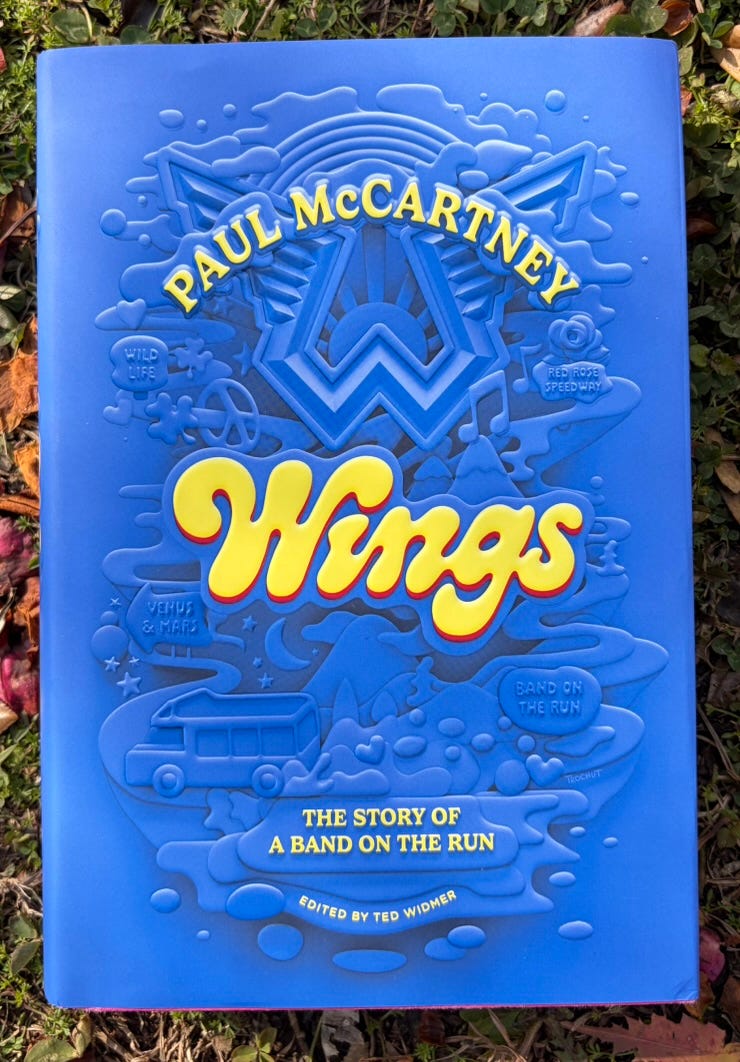
As you’ll know, we recorded a podcast on Wings: The Story of a Band on the Run a couple of weeks ago, which will be out on March 1. I won’t say too much about the book here other than that I loved it, and that if you are all sniffy about Wings then you’re missing out on some great music.
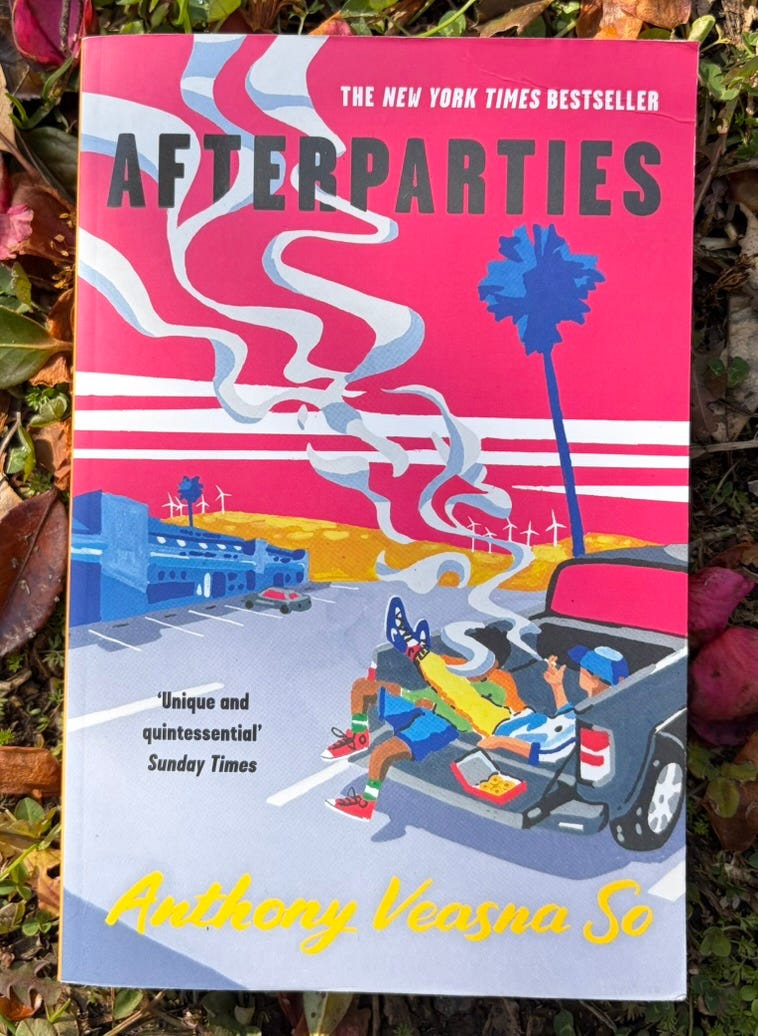
I wrote about Anthony Veasna So a few months back when I read his posthumous collection Songs on Endless Repeat. I’m not sure why I chose to read that first, and his short story collection Afterparties second because while Songs on Endless Repeat was never meant to be a book (it is made up of essays and extracts from his unfinished novel), Afterparties was published during his short lifetime and with his seal of approval. As a result, it is a much more satisfying read. All the stories are set in the Cambodian-American community, usually told from the perspective of queer, bored, lost characters. It is equal parts hilarious and heartbreaking, and definite evidence that the world lost a major writing talent when he died of an overdose in 2020, aged 28.
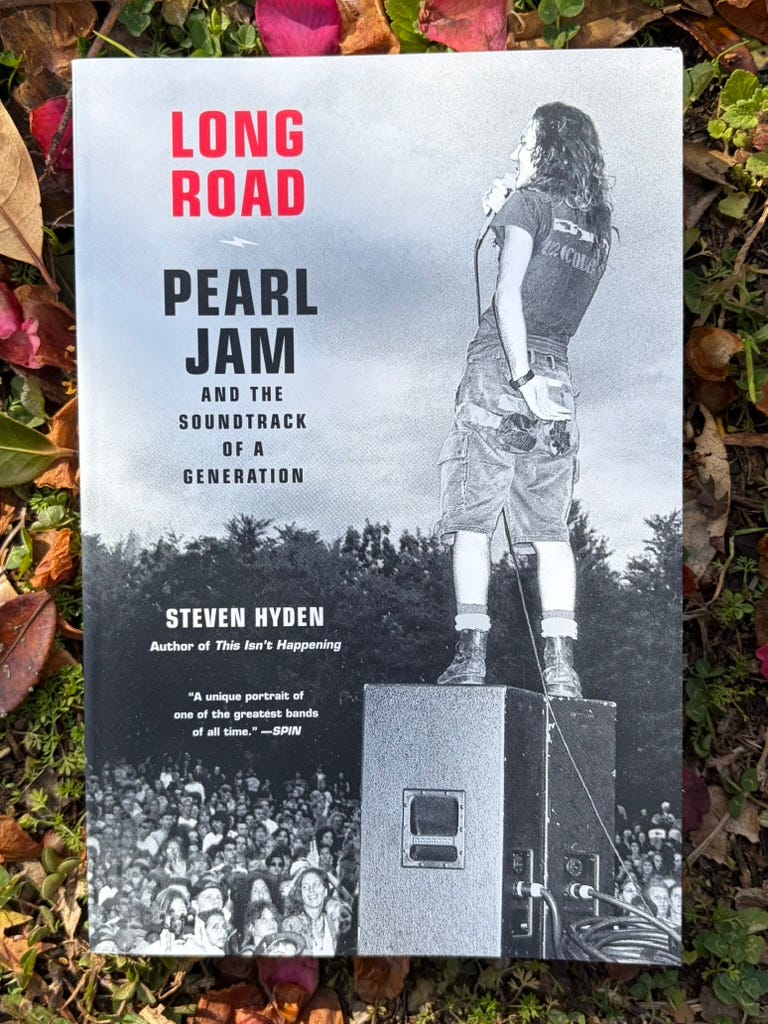
As part of the ongoing big project, I’ve been reading and re-reading every book published on Pearl Jam. This was a new one for me, but written by a journalist I admire and follow here on Substack. This is an excellent book. It’s probably not a great introduction to Pearl Jam for the non-fan, but it’s not meant to be (plenty of those exist). While it takes in the narrative arc of Pearl Jam from the Green River/Mother Love Bone days to the release of Gigaton (2020) and Vedder’s solo album Earthlings (2022), it is much more a personal story and a retrospective on generation X from a few decades hence. Structured around 18 songs that mean something to the author or are particularly illustrative of a point he is trying to make, it is a unique and interesting approach that I found very enjoyable. Probably the only Pearl Jam book I’d recommend without reservation.
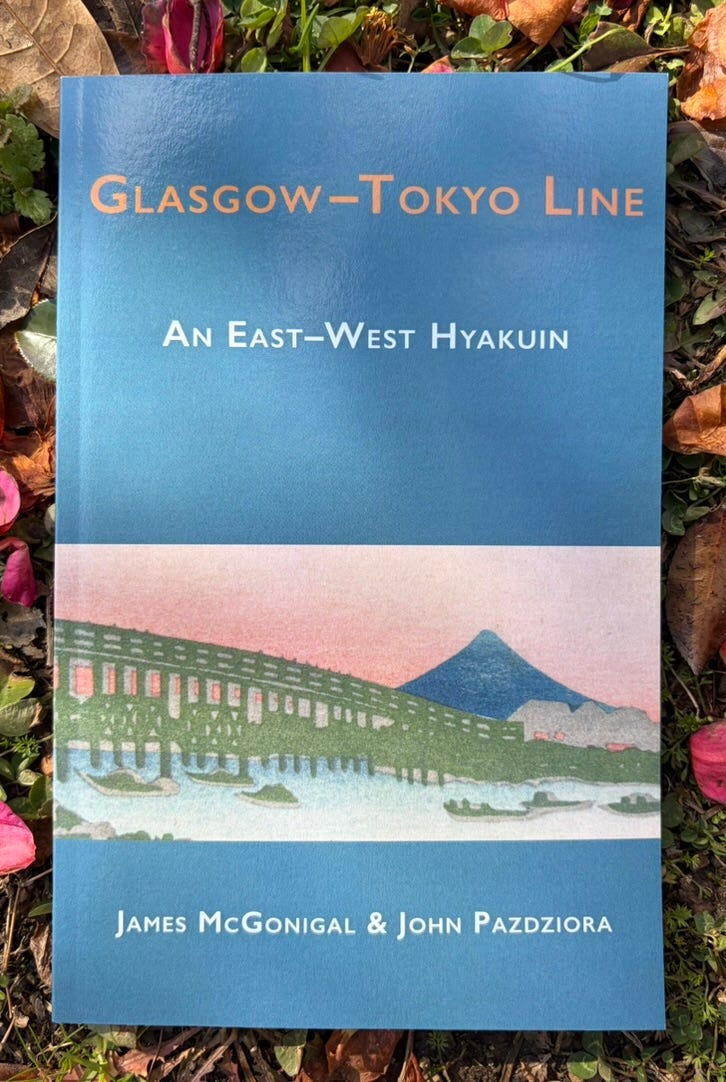
I got two new Isobar books in the post this month ahead of a big launch event in Kyoto on February 7th. James McGonigal, one of the poets in Glasgow-Tokyo Line (and someone I am collected with in the Tapsalteerie book Envy the Seasons) cannot be in Japan for the launch so I am stepping in as a substitute Scotsman. I’ll write more about the book after the event but I’ve read through the collection a couple of times and there is some startling, brilliant poetry here, blending Japanese styles and Scottish language and references making me kick myself that I hadn’t thought to do this before. I was particularly struck by the Lebowskian line:
'Sometimes,' she says, 'there's an owl,
and sometimes, aye, there isnae.'
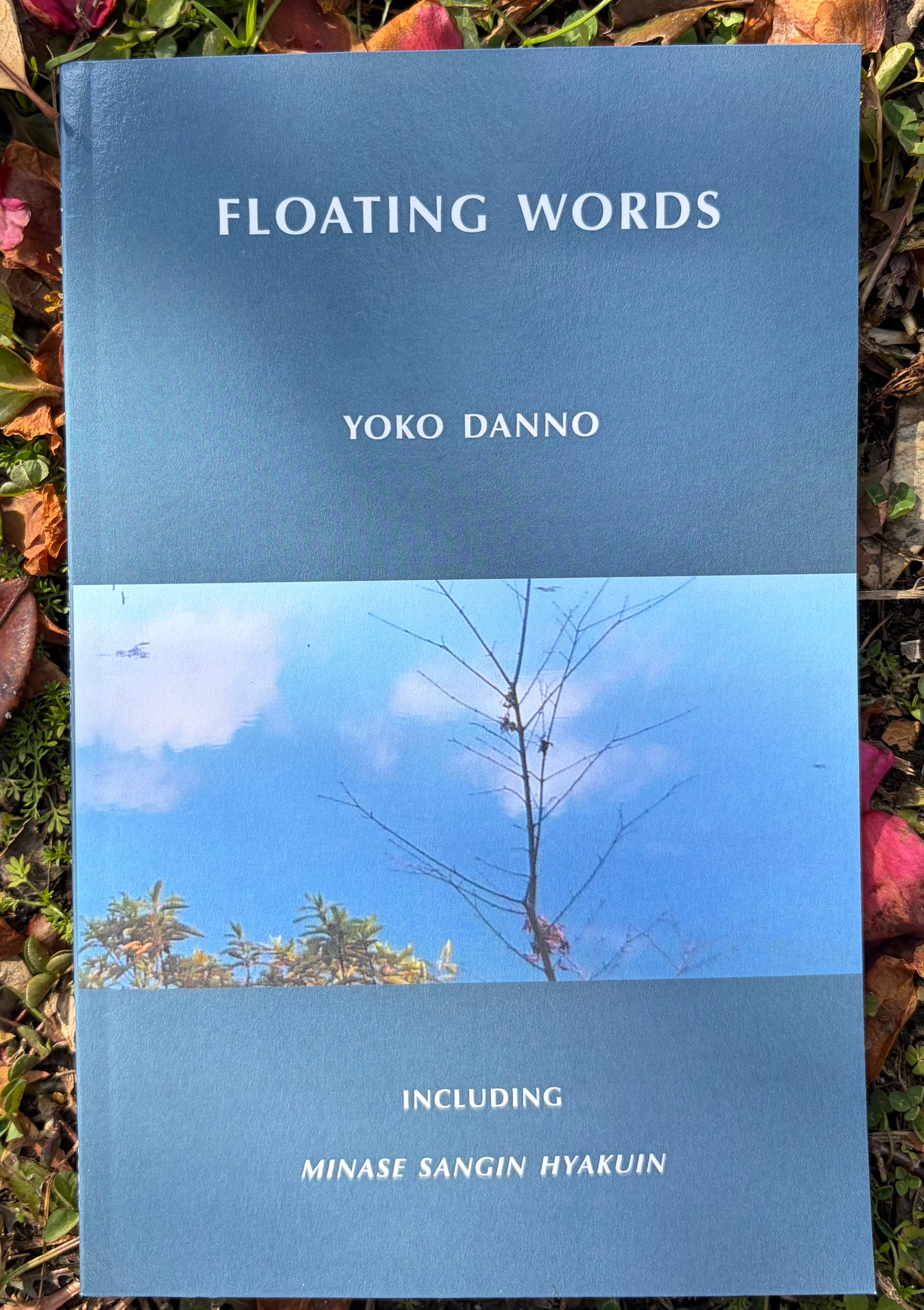
Yoko Danno will also be reading at the launch in Kyoto, from her new collection Floating Words. The centerpiece of the collection is her translation of Minase Sangin Hyakunin but for me the standout poems are a series based around the eruption of a volcano and the end of the world. Apt stuff for the present tense.
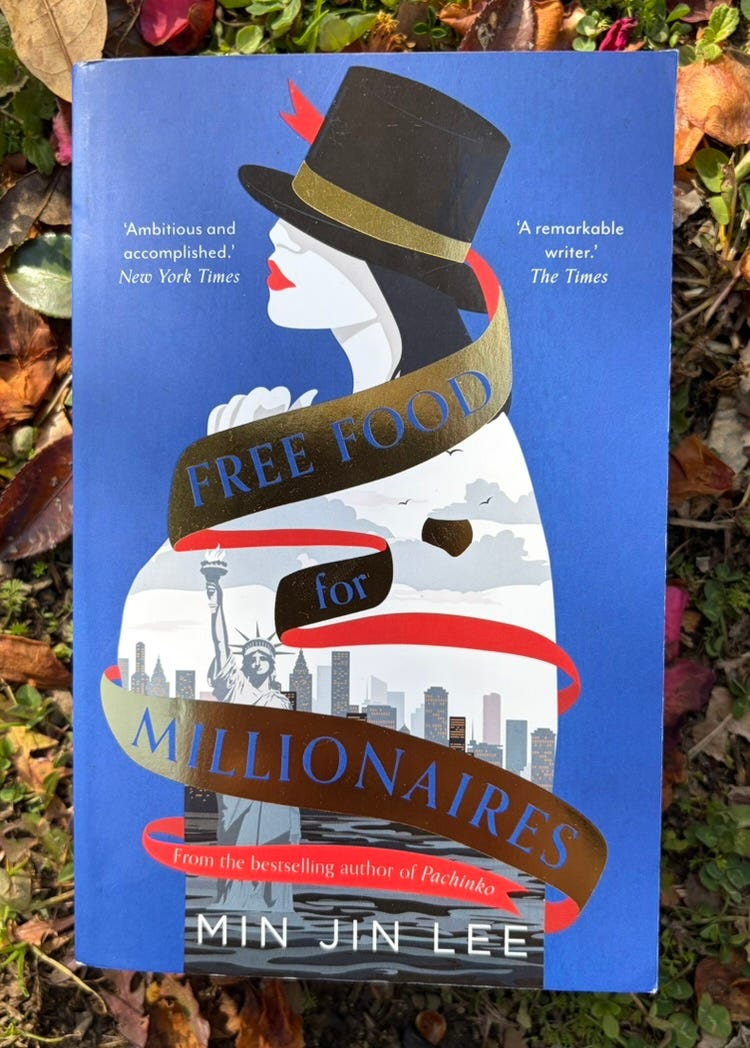
I adored Min Jin Lee’s second novel, Pachinko, about the experiences of Korean immigrants to Japan over three generations, and was looking forward to catching up on her debut, Free Food for Millionaires. Also concerning Korean immigrants and their children, but this time set in contemporary New York, I was initially put of by the 648-page heft of the thing. My fears were not unfounded. The writing is brilliant, as are the character portraits and the world she explores, but there is so much detail and so much that ultimately does not matter that I totally lost interest about halfway through and really struggled to the end in the hope that the denoument would make it all worthwhile. It didn’t. She has a new one out later this year, American Hagwon, which I will definitely buy, but I hope the nine year gap since Pachinko (it was ten years between Free Food and Pachinko) doesn’t imply another behemoth I can drop on my head while reading in bed.
Looking forward to Glasgow-Tokyo Line - my mum being from Giffnock, many visits to the Clyde over the years. I like the Isobar project and the idea of you acting as a 'stand-in Scotsman'.
Apropos of nothing, reading, for this month's Japanese Literature Challenge, Ivan Morris' 1958 collection of Modern Japanese Stories with its useful 27-page introduction to Meiji / Showa prose writing, he offers a table of purchasing power equivalences which in itself tells a story. In 1958, 1000 yen = £1, now c. 200. In 1912, 1 yen = 615 yen at 1958 values, by 1944 1 yen bought 286 1958 yen, 1946 just 42 yen (American influence there?), a 1949 yen = 1 yen 70 sen and 1954 1 yen 8 sen. Currently, the GBP is strengthening against both the dollar and the yen but far away from the $1.50/£1 , A good time for exporting beautiful Japanese products ? Ask Sir Keir